

Spanish Major Scholarships (2027) Fully Funded | Study in Spain
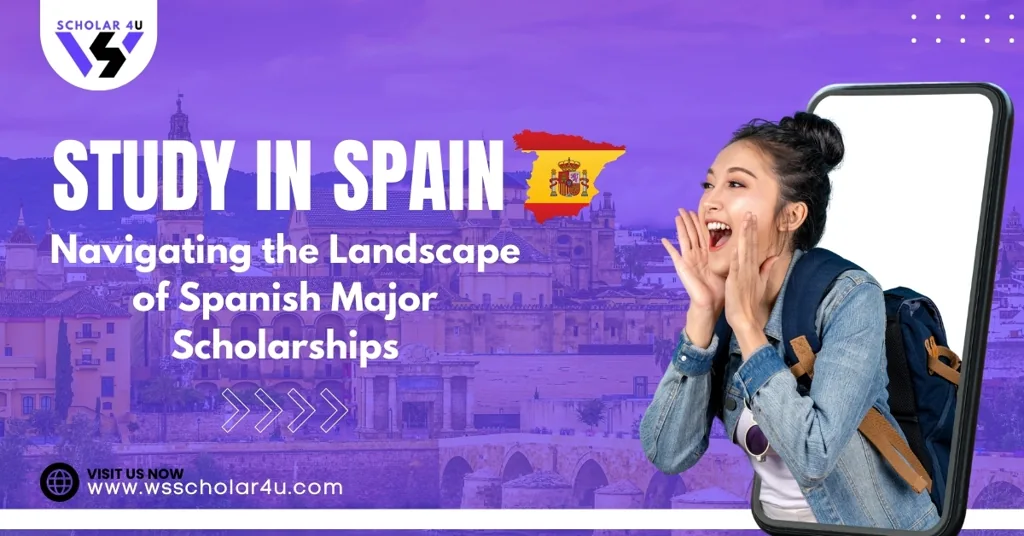
Spain offers fully funded and high-value scholarships for international students in 2027. The strongest opportunities cover tuition, living costs, travel, visa expenses, research support, or a combination of these benefits. This guide is based on official scholarship-provider information and the latest published 2026–2027 calls; 2027–2028 deadlines must be confirmed when each provider releases its new call.
The main scholarship routes include joint master’s degrees, postgraduate study, doctoral research, postdoctoral mobility, and government-supported academic or cultural programmes. Applicants should check the funding terms for the selected programme because “fully funded” does not mean that every award covers the same expenses.
This article explains the scholarship coverage, eligibility criteria, application process, required documents, and official application websites. You can also review our guide to scholarships in Spain for international students and the detailed list of Spain university scholarships for international students.
Scholarship Summary
The following 4 major scholarship routes can support study or research in Spain. Erasmus Mundus and INPhINIT provide clearly defined full-funding elements in their official materials. Fundación Carolina and MAEC-AECID publish programme-specific benefits, so applicants must read the individual award conditions before applying.
1.Erasmus Mundus Joint Masters Scholarship: This master’s route usually lasts 1–2 academic years and may include a Spanish university within its international consortium. Full scholarships contribute to participation costs, travel, visa expenses, and living costs.
2.Fundación Carolina Scholarships: These awards support postgraduate, doctoral, postdoctoral, and mobility programmes at Spanish institutions. The 2026–2027 call offered 736 scholarships across 203 academic programmes.
3.MAEC-AECID Scholarships: These government-supported awards cover approved training, postgraduate, research, diplomatic, European studies, artistic, and cultural programmes. Funding depends on the selected call.
4.”la Caixa” INPhINIT Incoming Fellowship: This doctoral fellowship supports eligible STEM research at approved centres in Spain and Portugal and is open to young researchers of any nationality under the current rules.
Students who want a wider list can read our guide to fully funded Spain scholarships for international students. The duplicate URL supplied for that guide has been included once to avoid repetitive linking.
1. Erasmus Mundus Joint Masters Scholarship
Scholarship Coverage
The Erasmus Mundus Joint Masters programme offers full scholarships to the best-ranked students worldwide. The scholarship covers participation costs and contributes to travel, visa, and living expenses. Each master’s programme sets its own scholarship allocation and admission rules. The European Commission states that students apply directly to the institution running the selected programme.
An Erasmus Mundus master’s normally lasts 1–2 academic years and carries 60, 90, or 120 ECTS credits. Students study at several universities because each joint programme is delivered by an international consortium. A selected programme may include lectures, research, traineeships, thesis preparation, and thesis defence.
Eligibility Criteria
Applicants need a bachelor’s degree or an equivalent recognised qualification. Final-year bachelor’s students may apply if they graduate before the master’s programme starts. Applicants must satisfy the academic, language, and document requirements published by the chosen consortium.
A strong application normally includes official transcripts, a degree certificate or proof of expected graduation, a curriculum vitae, language evidence, and academic references. Some programmes also request a motivation letter, portfolio, research experience, or proof of relevant work experience.
Application Process
1.Search the official Erasmus Mundus course catalogue.
2.Select a master’s programme that includes a Spanish university or study period in Spain.
3.Read the programme website and confirm its admission and scholarship requirements.
4.Prepare the academic transcript, degree evidence, CV, language certificate, references, passport, and motivation statement.
5.Submit the application directly to the consortium before its published deadline.
6.Monitor the applicant portal and respond to requests for clarification or missing documents.
Deadline
Most Erasmus Mundus applications open between October and January for courses beginning in the following academic year. Every consortium sets its own deadline, so the programme website controls the final date.
Apply Now
Apply through the official Erasmus Mundus Joint Masters page and search the official Erasmus Mundus catalogue.
2. Fundación Carolina Scholarships
Scholarship Coverage
Fundación Carolina supports academic cooperation between Spain and Latin America through postgraduate, doctoral, postdoctoral, and mobility scholarships. The official 2026–2027 call offered 736 scholarships across 203 academic programmes. The call included 228 postgraduate scholarships and 120 doctoral and postdoctoral short-stay scholarships, in addition to renewals and other categories.
Funding differs by programme. An award may provide full or partial tuition support, travel assistance, health insurance, living support, or other benefits. Applicants must open the programme record and review the exact financial conditions before describing the award as fully funded.
Eligibility Criteria
Eligibility depends on the selected Fundación Carolina programme. The principal applicant group includes candidates from Latin American countries and other eligible partner contexts listed in the call. Academic qualifications, professional experience, language ability, and admission to the Spanish university vary by programme.
Candidates should prepare a recognised degree, academic record, CV, professional or academic references, language evidence, and a clear statement of academic goals. Doctoral and research applicants may need a host-institution agreement, research plan, or supervisor support.
Application Process
1.Visit the official Fundación Carolina scholarship portal.
2.Select the postgraduate, doctoral, mobility, or research programme that matches your academic profile.
3.Read the programme description, university requirements, funding terms, and nationality rules.
4.Create an account and complete the online application.
5.Upload or enter the information requested by the programme. Fundación Carolina’s FAQ states that the initial application is completed online without sending paper documents.
6.Submit the application before the programme deadline.
7.Complete the Spanish university admission process when the programme requires a separate university application.
8.Check email and the applicant portal for interview, nomination, admission, or document-verification instructions.
Applicants should not wait for the last day. A complete application must use consistent names, dates, degree titles, and contact details across the application and supporting documents.
Deadline
The latest confirmed call covered 2026–2027. Fundación Carolina publishes a new annual call, but the 2027–2028 deadline should be confirmed on the official portal when released.
Apply Now
Use the official Fundación Carolina application guidance and the Fundación Carolina applicant portal.
3. MAEC-AECID Scholarships
Scholarship Coverage
The Spanish Agency for International Development Cooperation, known as AECID, publishes MAEC-AECID scholarship and fellowship calls for approved academic, cultural, diplomatic, European studies, artistic, and research activities. The official 2026–2027 announcement included programmes for diplomatic training, European studies, and artistic and research residencies.
MAEC-AECID benefits are programme-specific. Depending on the call, support may include a monthly allowance, tuition or registration support, insurance, travel assistance, accommodation, or research-related funding. Applicants must read the applicable terms before treating a particular award as fully funded.
Eligibility Criteria
Eligibility depends on the specific MAEC-AECID programme. Nationality, academic level, professional profile, language ability, host institution, and country group can affect eligibility. Some calls target citizens of Latin America, Africa, or Asia, while other programmes target Spanish citizens or defined professional groups.
Applicants should confirm the target nationality group, study location, academic qualification, age or experience rules, and whether a pre-admission letter is required. A passport, degree certificate, transcript, CV, language evidence, recommendation, and admission or host letter may be required.
Application Process
1.Open the official AECID scholarships and calls page.
2.Find the MAEC-AECID call for the 2027 intake or the relevant programme category.
3.Download the official rules and read the eligible nationality and activity requirements.
4.Register in the electronic application system identified in the call.
5.Complete the personal, academic, professional, and host-institution sections.
6.Upload the required passport, transcripts, degree evidence, CV, references, language proof, and admission documents.
7.Submit the form electronically and save the registration receipt.
8.Follow the published selection, interview, notification, and acceptance instructions.
Deadline
AECID uses programme-specific deadlines. Applicants must use the deadline printed in the live 2027 call rather than relying on a third-party scholarship list.
Apply Now
Start with the official MAEC-AECID announcement and review the current AECID active calls and procedures.
4. ”la Caixa” INPhINIT Incoming Fellowship
Scholarship Coverage
The ”la Caixa” INPhINIT Incoming fellowship supports doctoral research at centres of excellence in Spain and Portugal. The Incoming route is designed for young researchers of any nationality who want to conduct doctoral work in STEM fields.
The fellowship provides a structured doctoral funding package under the official call rules, including researcher support and the benefits stated in the applicable terms. Because benefits and amounts can change each year, applicants must use the current rules document to confirm salary or stipend, research support, relocation, insurance, and other eligible costs.
Eligibility Criteria
Applicants must meet the doctoral admission and research requirements in the current INPhINIT Incoming rules. The selected research project must fall within the eligible STEM scope and be hosted by an approved Spanish or Portuguese research centre. Candidates should confirm degree, academic performance, research experience, language, and mobility conditions before applying.
Typical supporting documents include a passport or identity document, academic transcripts, degree certificates, CV, research proposal or project information, reference letters, and proof of host or doctoral eligibility. The exact list is controlled by the annual call.
Application Process
1.Open the official INPhINIT Incoming fellowship page.
2.Download the current programme rules.
3.Check the eligible research areas, host centres, degree conditions, mobility rules, and funding terms.
4.Identify a suitable Spanish research centre and doctoral research project.
5.Prepare the CV, transcripts, degree evidence, research documents, references, and identity documents.
6.Complete the online application before the closing time shown in the call.
7.Complete any interview, host-centre, or scientific evaluation stage required by the programme.
8.Accept the fellowship and complete doctoral enrolment if selected.
Deadline
The official page currently provides the 2026 call rules and fellow statistics. The 2027 deadline is not confirmed in the published material used for this guide. Applicants should monitor the official INPhINIT page for the 2027 call.
Apply Now
Apply through the official INPhINIT Incoming page. Do not use a third-party form or send payment to an agent.
Application Documents for Spain Scholarships
Applicants should prepare scholarship documents before the call opens. The usual document set includes an official transcript, degree certificate, passport, CV, language certificate, motivation letter, recommendation letters, and admission or pre-admission evidence. Research programmes may also require a research proposal, supervisor letter, publication list, or institutional invitation.
Use our practical guide to application documents for scholarships to organize the file set. Each document should use the same spelling of your name, consistent dates, and clear translations when the provider requires English or Spanish. Applicants should keep PDF files within the size limits stated in the portal.
How to Increase Application Accuracy
Start by selecting a programme that matches your degree and academic goals. Then compare the official eligibility rules, funding terms, host institution, language requirements, and deadline. A strong application connects previous study, proposed research or coursework, career plans, and the purpose of the scholarship.
Ask recommenders who know your academic or professional work. Give them your CV, transcript, programme description, and draft goals at least 4 weeks before the deadline. Review every upload after conversion to PDF. A missing signature, unreadable scan, expired passport, or incomplete form can prevent an application from moving to evaluation.
Important 2027 Deadline Notice
Scholarship calendars change every year. The latest official pages reviewed for this article publish 2026–2027 or 2026 information for some programmes. The 2027–2028 deadline becomes authoritative only when the scholarship provider publishes the new call. Check the official website before booking travel, paying an application fee, or relying on a funding amount.
Related Links
- Fully Funded New Zealand Scholarships 2027
- 6 Fully Funded Scholarships at Top USA Universities for 2027
- Scholarship Universe (2027) 76 Fully Funded Global Guides
- Fully Funded Scholarships for International Students 2027
Related Scholarships
 Singapore
A*STAR International Fellowship – Research 2027 | Fully Funded Postdoctoral Fellowship
 Undergraduate Scholarships
MPOWER Global Citizen Scholarship 2027: Eligibility, Benefits, Deadline, and Application Guide
 USA
USANSF Graduate Research Fellowship Program (NSF GRFP Fellowship) 2027 Guide
 PhD Scholarships
Hertz Fellowship (2027) Application Process, Eligibility, and Benefits
 Fellowships
GEM Fellowship (2027) Complete Application Guide & Requirements
 USA
USATylenol Future Care Scholarship 2027: Requirements & Guide

